Plate 15 · Light & Sound
How Sound Crosses the Air
Every sound you hear is a push passed along through the air. The air itself doesn’t travel to your ear — only the push does.
Scroll
Push, and Pass It On
When a drumhead bulges out, it shoves the air molecules beside it; they shove the ones beyond, and so on down the line. When the drumhead pulls back, the air spreads out again.
Watch the red molecule. It only rocks back and forth in place — for ordinary sounds like talking, by less than a thousandth of the width of a hair. What travels from the drum to your ear is not the air, but the push.
Air molecules, schematic · their rocking greatly exaggerated
Squeeze and Stretch
Squeeze after stretch after squeeze, rippling out through the air: that is a sound wave. The line above traces the air pressure — high where the air is squeezed, low where it is stretched.
The distance from one squeeze to the next is the wavelength. The line is a graph; the air itself moves only toward and away from the drum.
Pitch
The number of times the drumhead rocks back and forth each second is the frequency, measured in hertz. The higher the frequency, the higher the note, and the shorter the waves.
The A above middle C on a piano vibrates 440 times a second, with waves about 78 centimeters long. Human ears hear from about 20 to 20,000 vibrations a second — waves from 17 meters down to under 2 centimeters.
Loudness
The harder the push, the bigger the difference between squeeze and stretch, and the louder the sound. Sound level is measured in decibels: every 10 decibels more means ten times the sound energy, and sounds roughly twice as loud.
Ordinary conversation is about 60 decibels. Hearing can be damaged by long exposure to sounds of 85 decibels or more.
Which Is Fastest?
In air at 20°C, sound travels about 343 meters a second. In water it travels more than four times as fast, in steel about 17 times as fast: the more stiffly a material springs back when squeezed, the faster a push races through it.
Thunder and lightning happen at the same moment, but the light arrives almost at once while the sound takes its time. Count the seconds from flash to rumble: each 3 seconds means about a kilometer between you and the lightning.
Silence in Space
With no air, there is nothing to push. In the near-vacuum of space, a drum can shake as hard as it likes and no sound will leave it.
That is why astronauts outside their spacecraft talk by radio. The roaring explosions in space movies are added afterward.
Your Turn
Change the frequency and loudness and watch the wave change. Press “Listen” to hear the same sound. Or turn on the microphone and talk or sing to see your own voice spread through the air. Switch the medium to water or steel: the same note makes longer waves, because sound moves faster there. Your voice is shown only on your device; nothing is recorded or sent anywhere.
Try thisAt 300 Hz, switch from air to steel: how many times longer is the wave?
What the model leaves out
The molecules’ rocking is exaggerated millions of times. Real air molecules are also darting about at hundreds of meters a second and colliding; a sound wave is a shared push laid over that jostling. There are also far fewer molecules here than in real air, so you can see them. In “Which is fastest?” the three speeds are drawn in their true proportions, but all greatly slowed down.
A common misreading
Sound is not a breeze blowing from the source to you, and the air does not travel with it. What travels is a change in pressure — like a shove passed down a line of people standing shoulder to shoulder: each sways and steps back to their spot, but the shove reaches the end of the line.
Sources
Follow the question
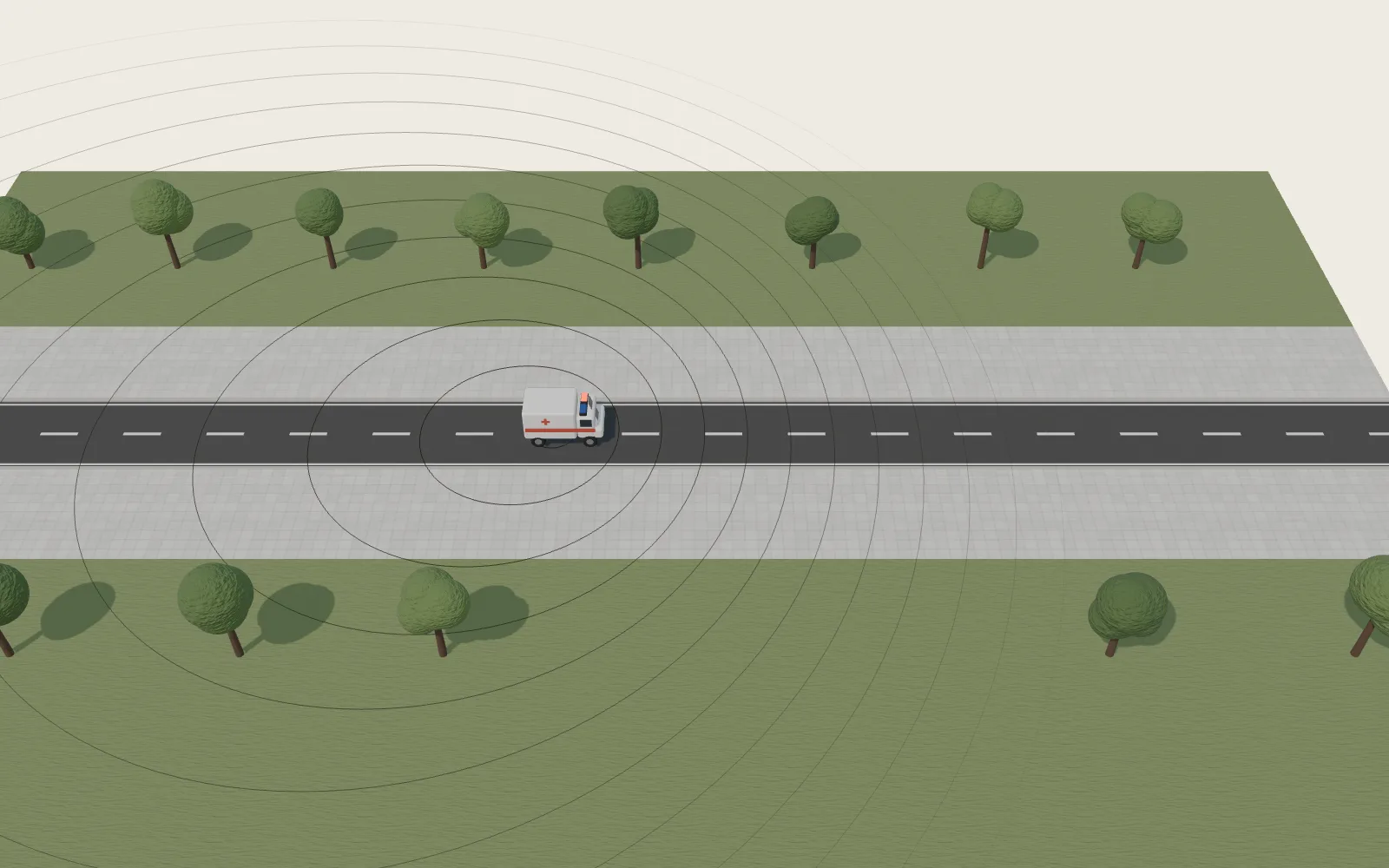 Plate 26Why a Siren Changes Its TuneAn ambulance sounds higher coming towards you and lower going away. The siren hasn’t changed; its sound waves have been squeezed or stretched.
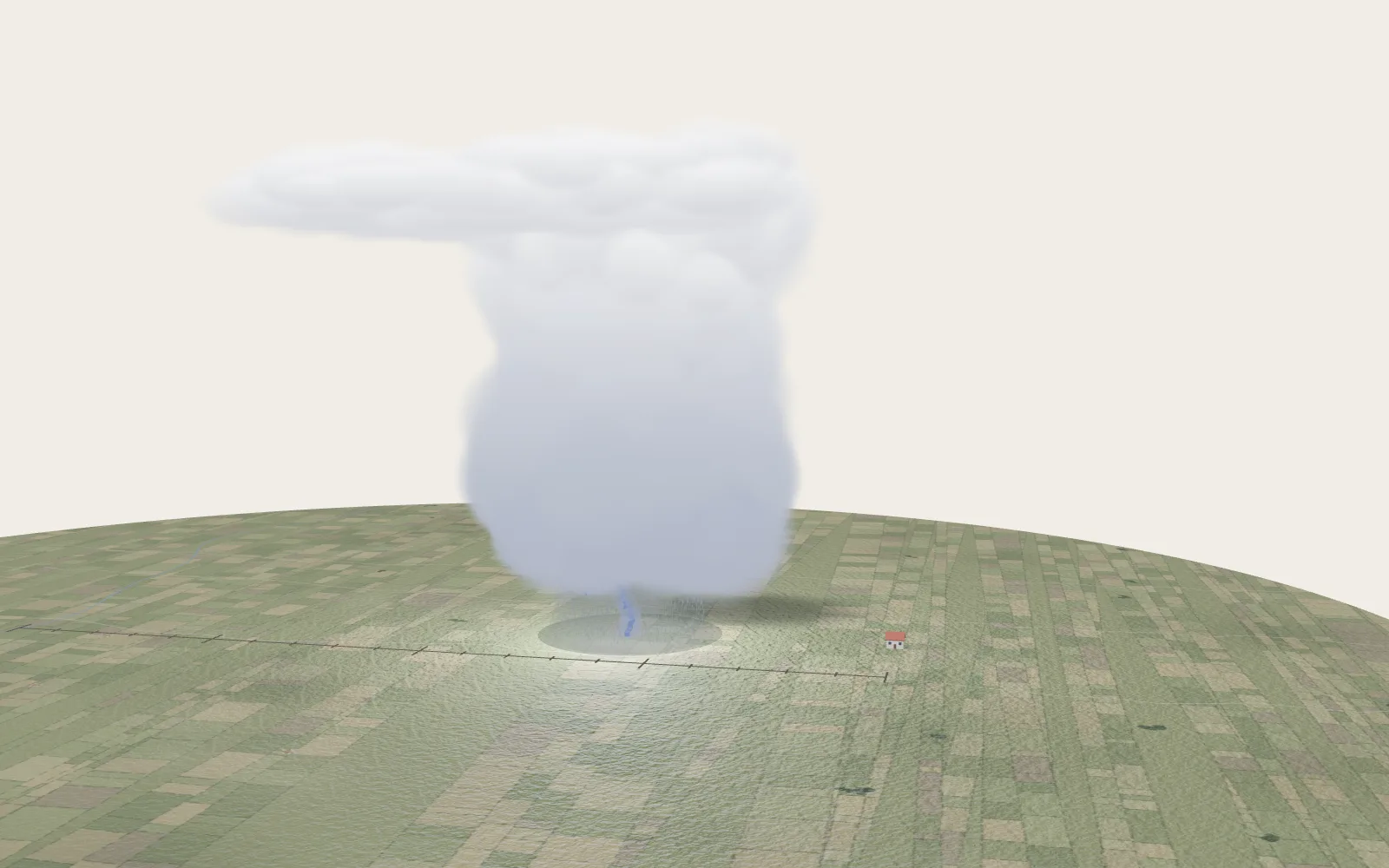 Plate 33See the Flash, Then Hear the ThunderLightning and thunder happen at the same moment, but light arrives almost at once while sound covers only about 340 metres a second. Count the seconds between them and you know how far away the storm is.