Plate 26 · Light & Sound
Why a Siren Changes Its Tune
As an ambulance comes towards you, its siren sounds high; the moment it passes, the note drops. The siren plays the same note the whole time. What changes are the sound waves on their way to your ear — squeezed together, or stretched apart.
Scroll
A Siren Standing Still
Each time a siren sends out a wave, it spreads in every direction at about 343 metres a second, like a ripple on a pond.
When the ambulance is parked, every ripple is centred on the same spot and evenly spaced all round, so everyone nearby hears the same note.
Sound waves, schematic · each ring is one wave crest, slowed right down
Squeezed in Front, Stretched Behind
Once the ambulance moves, it has travelled a little further by the time it sends each new wave. So the ripples bunch up in front of it and spread out behind.
Bunched-up waves reach your ear more times each second, so you hear a higher note; spread-out waves arrive less often, so the note is lower.
The Moment It Passes
For an ambulance passing at 90 kilometres an hour, the note is a little over a semitone higher as it comes and a little over a semitone lower as it goes — about two and a half semitones in all. That is the familiar drop.
The faster the vehicle, the bigger the change.
Faster Than Sound
If a plane flies faster than sound, it outruns its own waves. They pile up behind it into a cone-shaped shock wave, and when the cone sweeps over the ground, people hear a sonic boom — not just once, but everywhere along its path.
The faster the plane, the sharper the cone: at twice the speed of sound, the cone meets the flight path at 30°.
Light Shifts Too
Light is a wave too. Light from something coming towards us is squeezed towards the blue; from something moving away, stretched towards the red — a redshift.
Astronomers found that the farther away a galaxy is, the bigger its redshift — the clue that the universe is expanding. Weather radar uses the same idea to tell how fast raindrops are moving towards or away from it, and so how the wind is blowing.
Colour here stands in for pitch: blue where the waves are squeezed, red where they are stretched. Sound has no colour; light shifts this way.
Your Turn
Change the vehicle’s speed and watch the ripples bunch and spread. Turn on “Listen” to hear the siren’s note drop as it passes. Push the speed past the speed of sound and see what happens.
Try thisPush the speed past 1,235 km/h: what does someone ahead hear before it arrives?
What the model leaves out
The sound waves are slowed down hundreds of times, and their spacing is schematic. To make the bunching easy to see, some chapters drive far faster than any ambulance; the readout at top right shows the speed being drawn. The pitches assume you are standing still and the vehicle comes straight at you or straight away; when it passes to one side, the change happens gradually. Strictly, a distant galaxy’s redshift comes mostly from space itself expanding; this is the simplest way to show the idea.
A common misreading
A siren doesn’t sound higher because it gets louder as it comes closer. Loudness and pitch are different things: it is louder because it is nearer; its pitch changes because the waves are squeezed or stretched. Nor does the note keep rising as it nears: it stays high, then falls as it passes. And to the people inside the ambulance, the siren never changes its note.
Sources
Follow the question
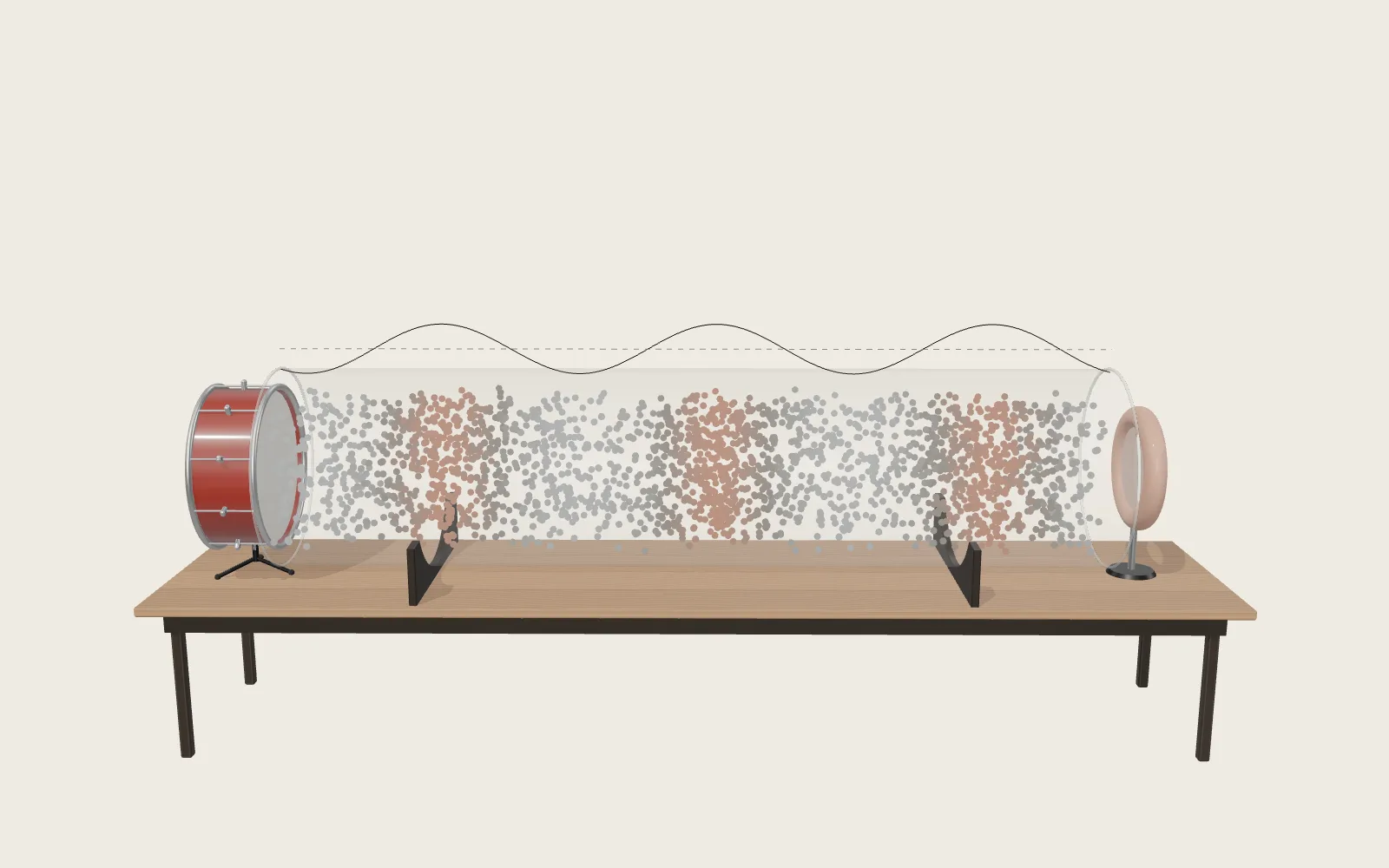 Plate 15How Sound Crosses the AirSound is a push passed along through the air. The air doesn’t travel to you; the push does.
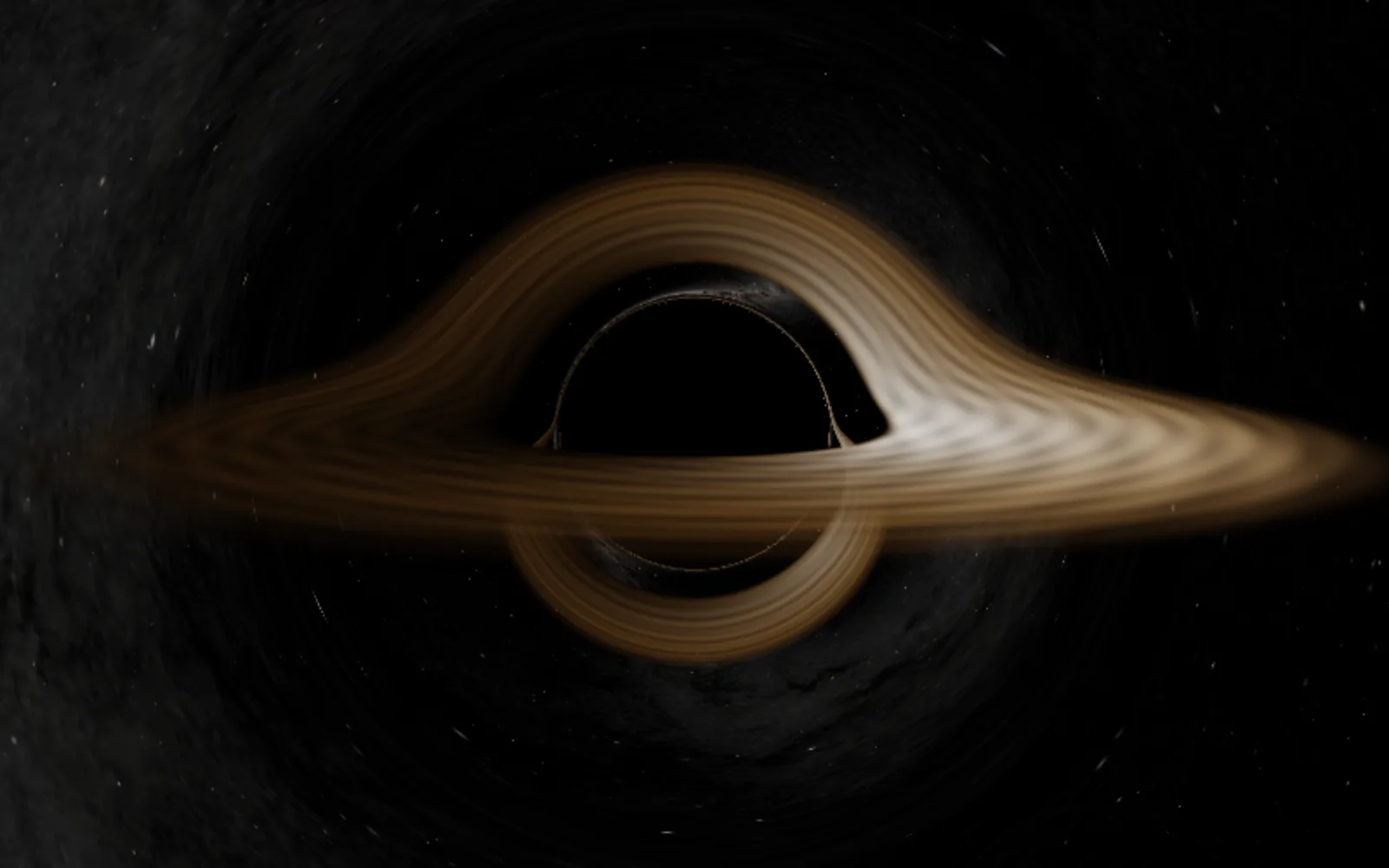 Plate 38Where Not Even Light EscapesA black hole packs so much matter into so small a space that not even light can get out. It is dark itself, but the light it bends around it draws a bright ring.