Plate 09 · Life
No Bird in Charge
Thousands of starlings turn together at dusk like a shape-shifting cloud of smoke. No one is giving orders; each bird watches only a few of its neighbors.
Scroll
A Cloud That Changes Shape
On winter evenings, thousands upon thousands of starlings wheel above their roost, stretching and gathering like living smoke.
There is no leader in that cloud. The shape of the whole flock grows out of a few simple rules that each bird follows on its own.
Model flock · 1,500 birds
Three Rules
In 1987 the computer-graphics researcher Craig Reynolds gave his virtual birds just three rules: don’t collide with your neighbors; fly the way they are flying; don’t stray too far from them.
There was no map and no captain, yet the flock flew like a real one. Every bird here follows those three rules.
Watching Six or Seven
No starling can keep track of thousands of others. In 2008, researchers in Rome used several cameras to reconstruct the position of every bird in a flock and found that each starling interacts, on average, with its six or seven nearest neighbors — however near or far they happen to be.
The marked bird is watching its seven nearest neighbors right now.
A Falcon
A peregrine falcon plunges into the flock. The nearest birds swerve at once, their neighbors turn after them, and their neighbors’ neighbors after those — a wave of turning that sweeps the whole flock in moments.
In 2010 the same team found that, even with no predator, changes in one bird’s direction and speed are linked to changes in birds across the entire flock — and the bigger the flock, the farther that link reaches.
Why Gather at All
The question is not settled. In 2017, researchers in Britain gathered public reports of more than 3,000 murmurations and found that when birds of prey were around, the flocks tended to be larger and to keep wheeling longer.
They concluded that murmurations are mainly a defense against predators: the more birds, the smaller each one’s chance of being caught, and the harder it is for a hawk to fix on one. But the evidence is a correlation; it does not yet prove that bigger flocks are safer. Predators may simply be drawn to bigger flocks.
Your Turn
Change how many neighbors each bird watches, strengthen or weaken the three rules, then release a falcon and watch the flock swerve and gather again.
Try thisTurn “Keep your distance” all the way down: what becomes of the flock?
What the model leaves out
The model birds follow the three rules plus one more: don’t stray far from the roost. Real starlings bank, dive and change speed, and respond to wind, light and terrain. There are far fewer birds than in a real murmuration (which can number tens of thousands or more), and speeds and distances are not to scale.
A common misreading
There is no leader giving orders, and no bird needs to see the whole flock. The pattern of the whole comes from each bird reacting to a few neighbors. That kind of order without command appears in schools of fish, ant colonies and even traffic.
Sources
- Reynolds (1987): Flocks, herds and schools — a distributed behavioral model
- Ballerini et al. (2008): Interaction ruling animal collective behavior depends on topological rather than metric distance
- Cavagna et al. (2010): Scale-free correlations in starling flocks
- Goodenough et al. (2017): Starling murmuration behaviour revealed using citizen science
Follow the question
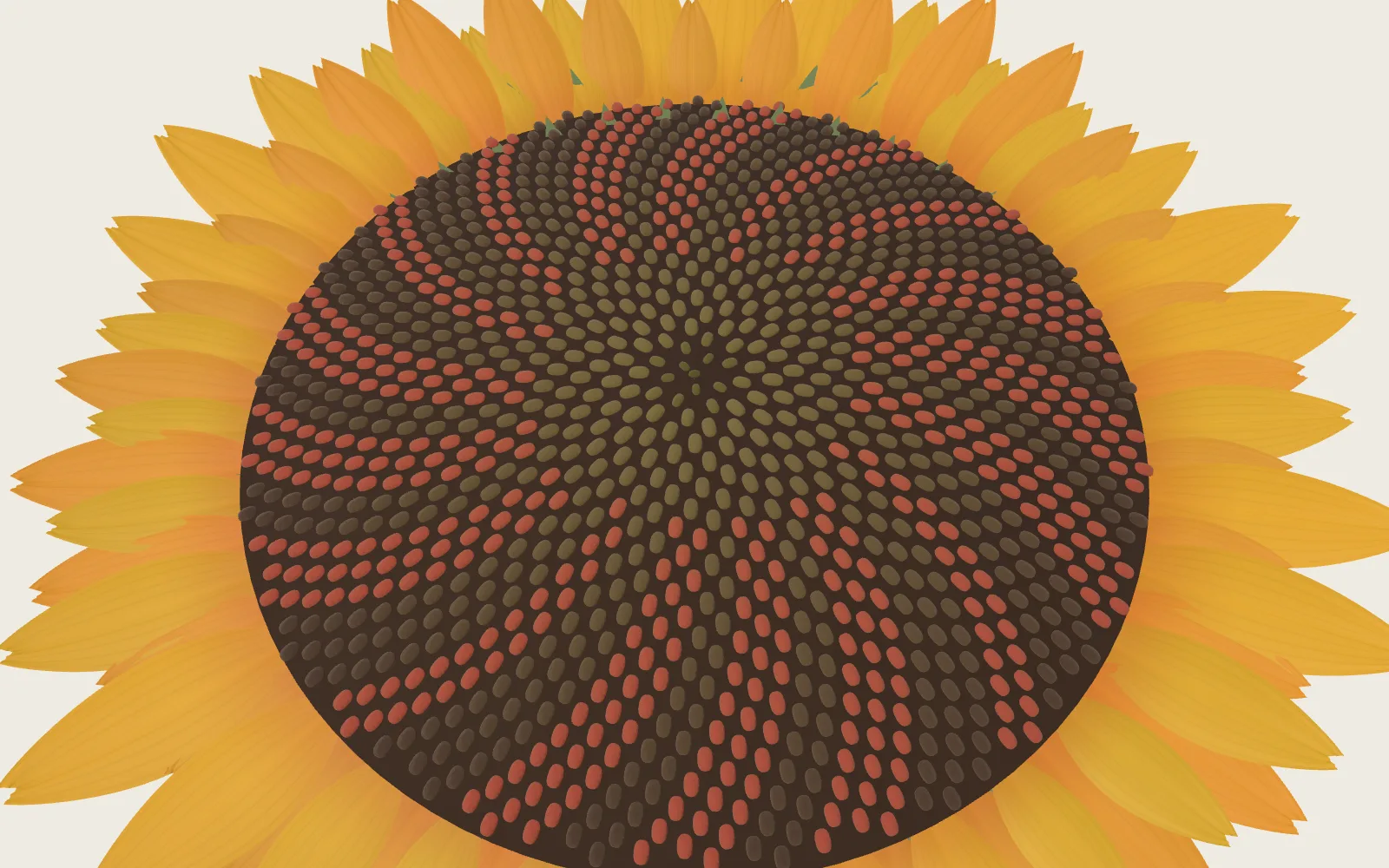 Plate 06The Arithmetic of a SunflowerCount the spirals its seeds make, and you will arrive at a famous sequence of numbers.
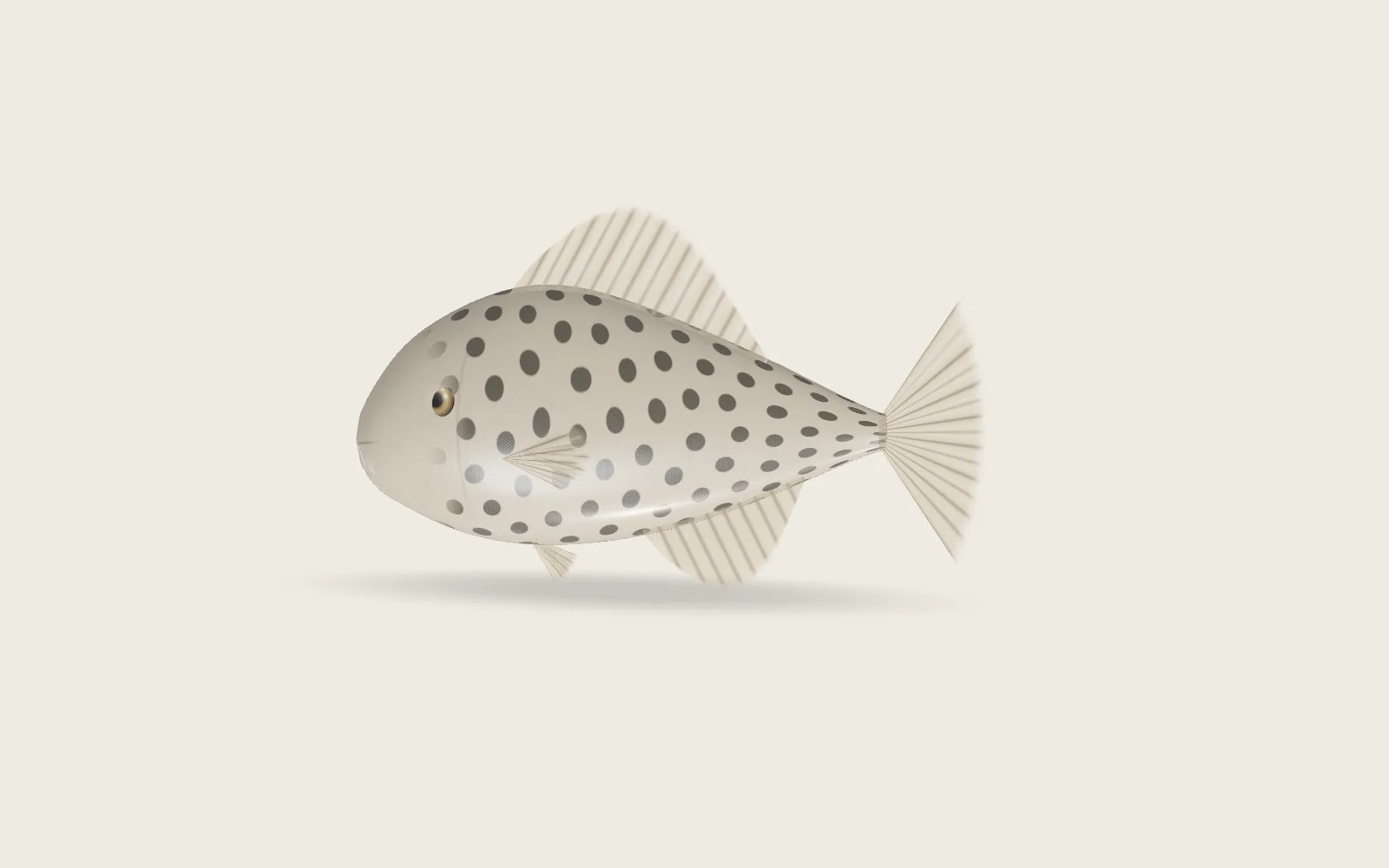 Plate 16Where Spots and Stripes Come FromA leopard’s spots and a fish’s stripes may come from the same simple recipe: two ingredients, one fast and one slow.